Understanding your flat roofing material choices before requesting a quote can save you both time and money. Whether you're adding a low-slope addition to your home or managing a commercial building in McHenry County, knowing how TPO, EPDM, and PVC systems compare is the smart place to start.
The Three Main Single-Ply Flat Roofing Materials
Single-ply membranes are the most widely used flat roofing systems today. Each offers a different balance of cost, durability, and best-fit application.
TPO (Thermoplastic Polyolefin)
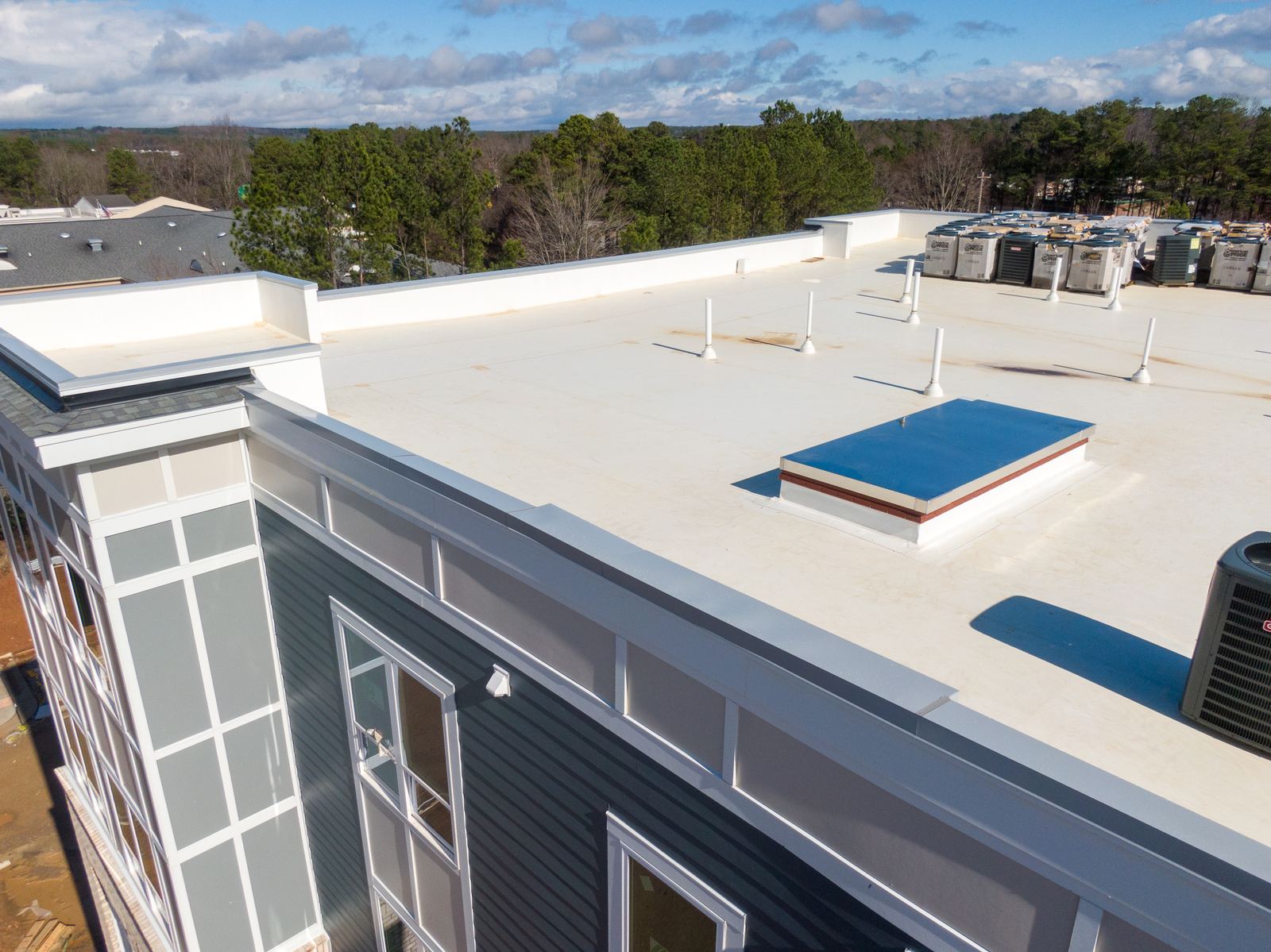
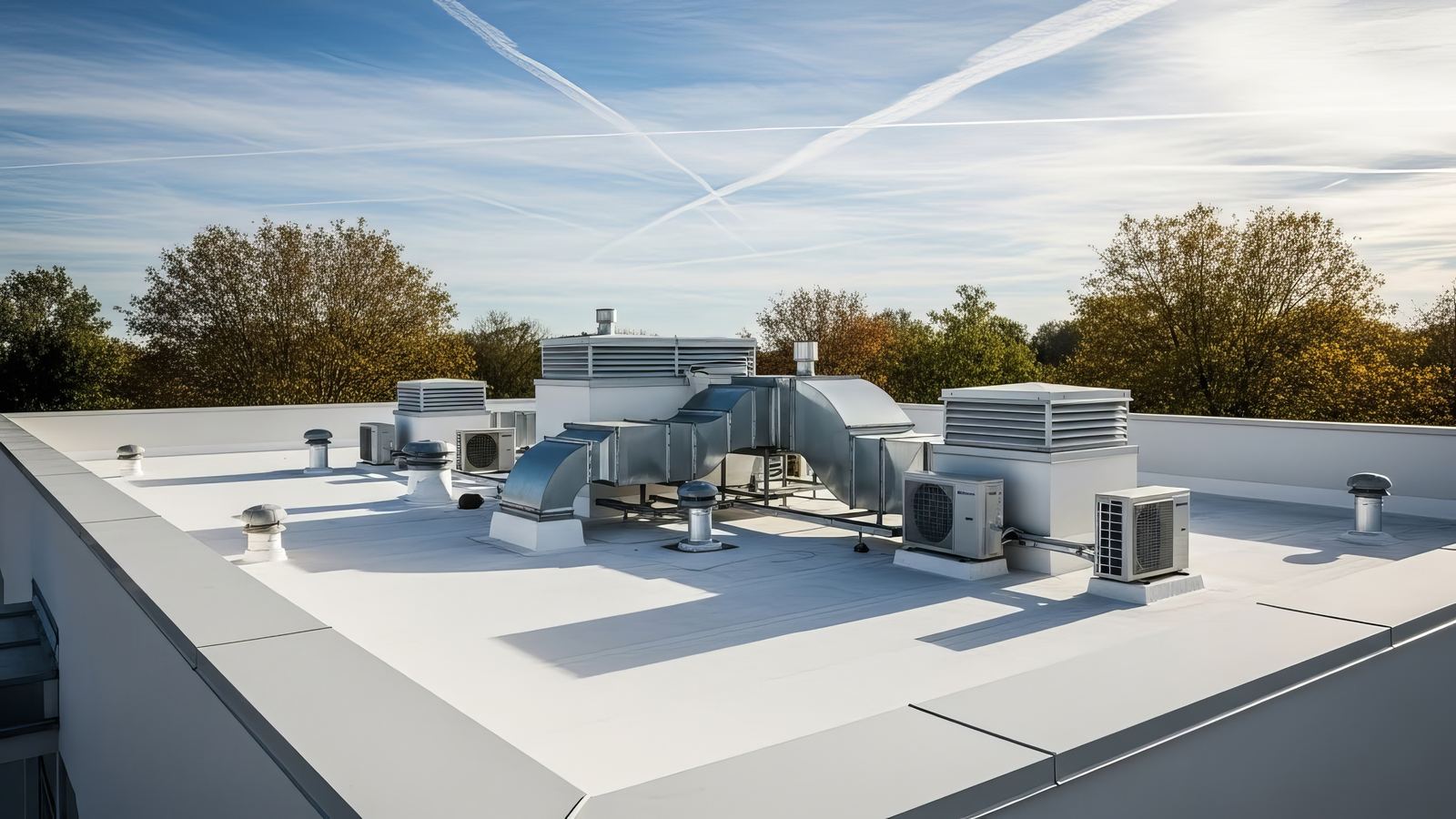
TPO is a bright, reflective membrane that helps reduce summer cooling costs. Its heat-welded seams are highly resistant to leaks when installed correctly, and it's typically one of the more affordable single-ply options for commercial properties in the Crystal Lake area.
EPDM (Ethylene Propylene Diene Monomer)
EPDM is a synthetic rubber membrane known for staying flexible in cold climates. It performs reliably through Northern Illinois winters and repeated freeze-thaw cycles, and it typically delivers a long service life when properly maintained.
PVC (Polyvinyl Chloride)
PVC offers strong resistance to chemicals, grease, and moisture, making it a smart choice for restaurants, commercial kitchens, or any rooftop with chemical exposure. It generally costs more than TPO, but its durability in those specific applications can justify the investment.
How Illinois Weather Affects Flat Roof Performance
Crystal Lake sees significant snowfall, ice accumulation, and repeated freeze-thaw cycles from late fall through early spring. All three membranes can handle these conditions — material choice and installation quality are the deciding factors.
EPDM has a long track record in cold climates thanks to its low-temperature flexibility. TPO and PVC both rely on heat-welded seams that hold up well against snowmelt infiltration when properly installed. Drainage design matters just as much: a flat roof with poor slope or clogged drains develops ponding water, which accelerates wear on any membrane.
What About Residential Flat Roofs?
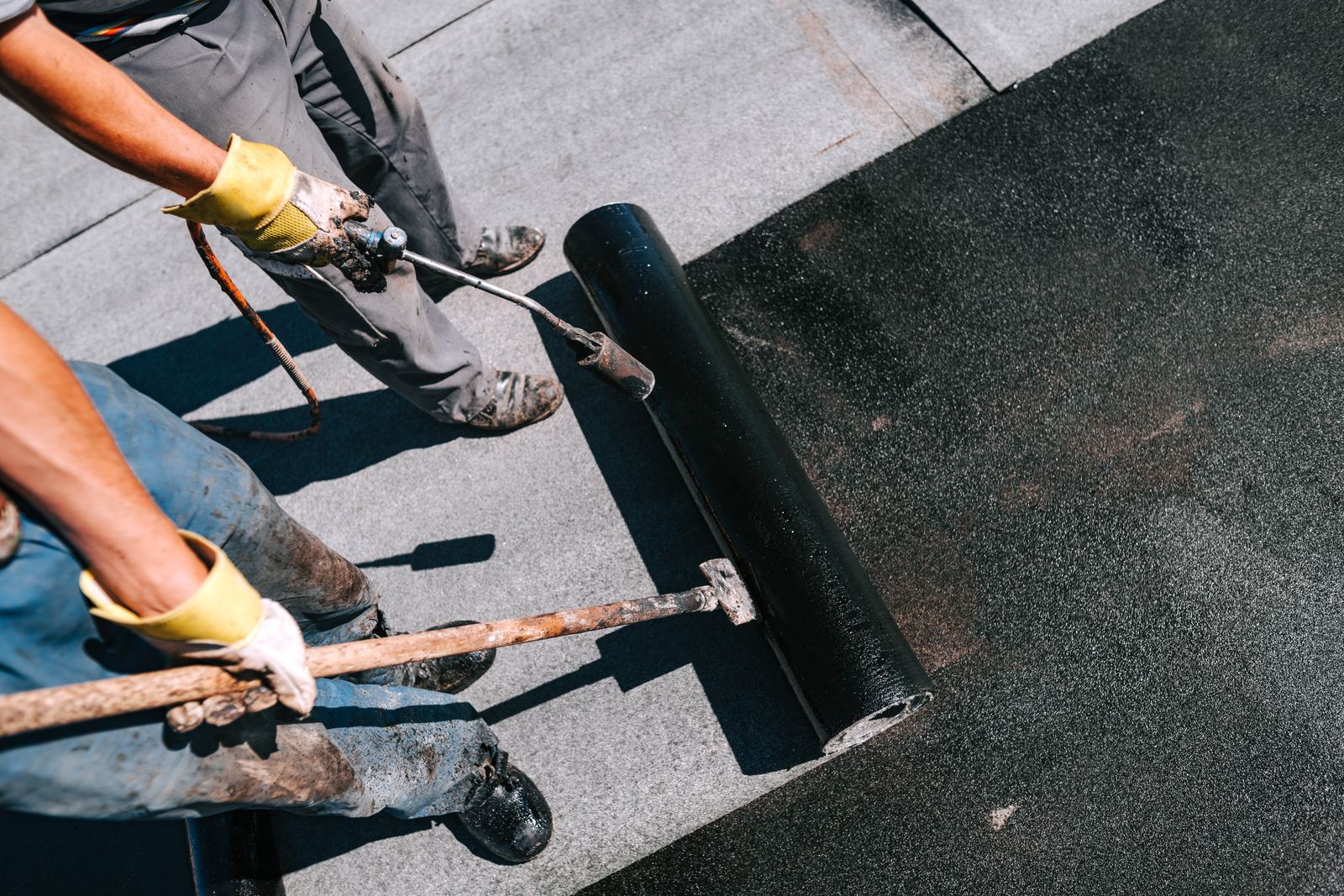
Flat roofs are common on additions, garages, and sunroom expansions. EPDM is often the go-to on smaller residential projects because of its cost-effectiveness and straightforward installation, while TPO makes sense where energy efficiency is the priority. Talking with an experienced roofing contractor early in planning helps you select the right membrane before installation begins.
Why Certification Matters on Commercial Projects
Commercial flat roofing projects involve larger membrane surfaces, greater load demands, and stricter code requirements than residential work. Manufacturer certification — such as Firestone system approval — is a quality indicator worth asking about when vetting a contractor. Certified installers have met manufacturer training standards, which may also qualify the finished roof for enhanced warranties.
Rough Cost Differences to Expect
EPDM is usually the most budget-friendly entry point, TPO tends to fall in the mid-range, and PVC typically costs more upfront. Labor and any structural improvements needed to support proper drainage will also affect the total. A reputable local contractor should provide a detailed estimate that accounts for all of these variables.
Not sure which system fits your building? See our related guides on preventing flat roof leaks and maintaining commercial flat roofing.