Roofing in Barrington Hills has to do two jobs at once: stand up to freezing winters, humid summers, and strong winds — and complement the elegance of the area's upscale, often custom-built homes. Whether you're a homeowner, buyer, or builder, understanding how the main materials perform makes all the difference when planning a new build or replacement.
Asphalt Shingles: Popular and Budget-Friendly
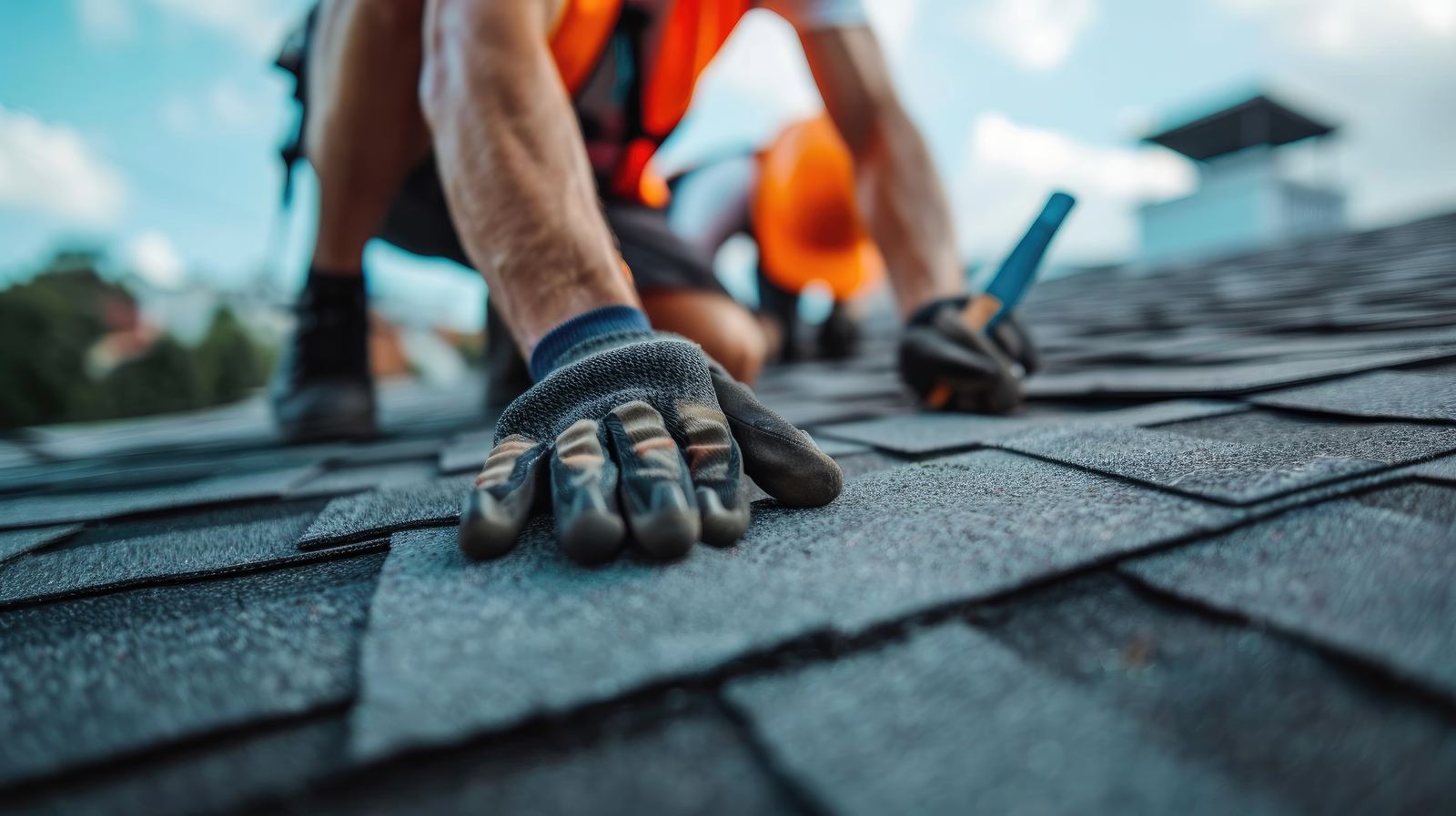
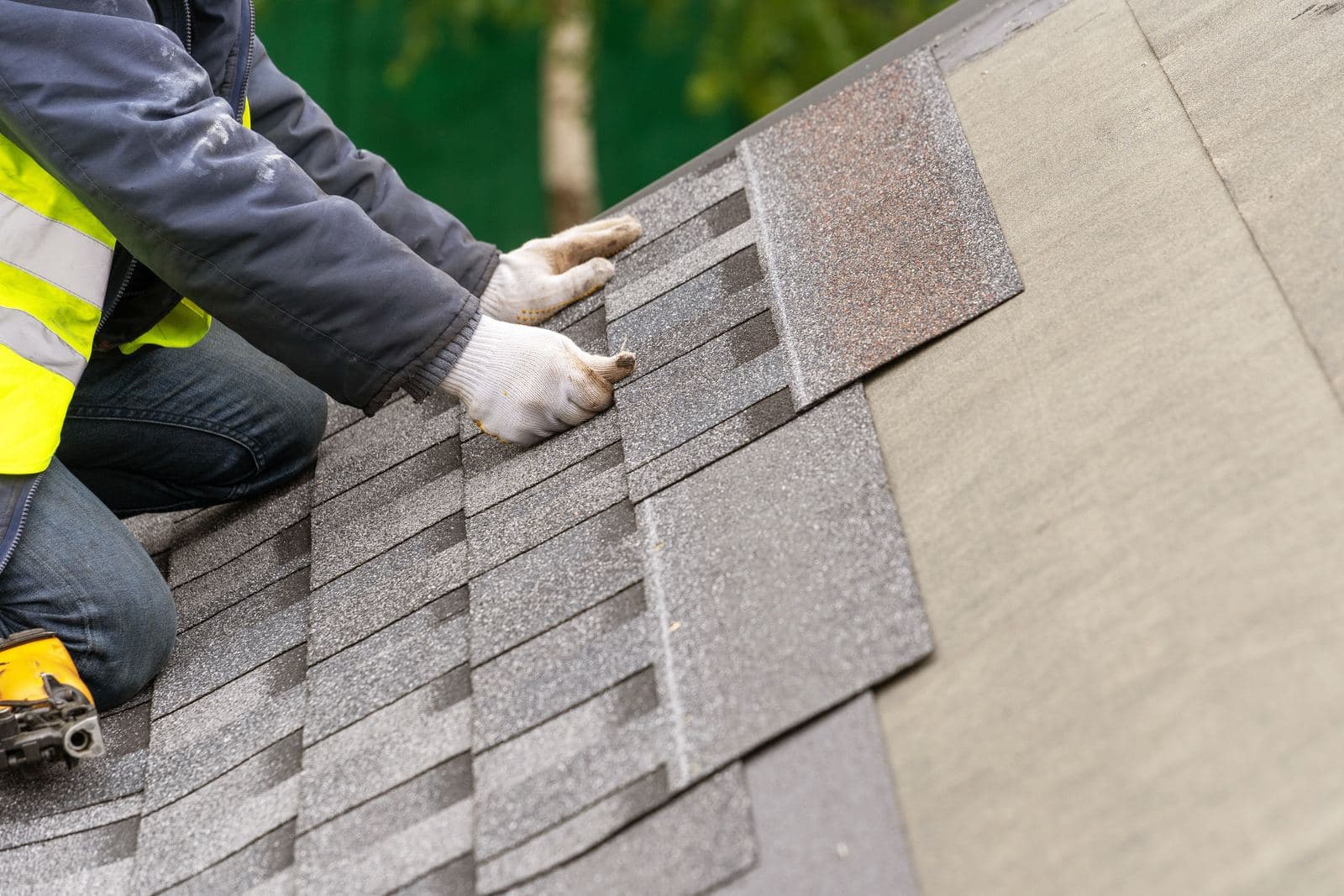
Asphalt shingles remain the most common choice, offering an affordable price point, straightforward installation, and a wide variety of colors and textures suited to everything from ranch homes to colonial revivals. Properly installed, they handle moderate snow and wind well. Their lifespan — typically 15–30 years — is shorter than premium materials, and repeated freeze-thaw cycles can make them brittle over time.
Metal Roofing: Strength Meets Efficiency
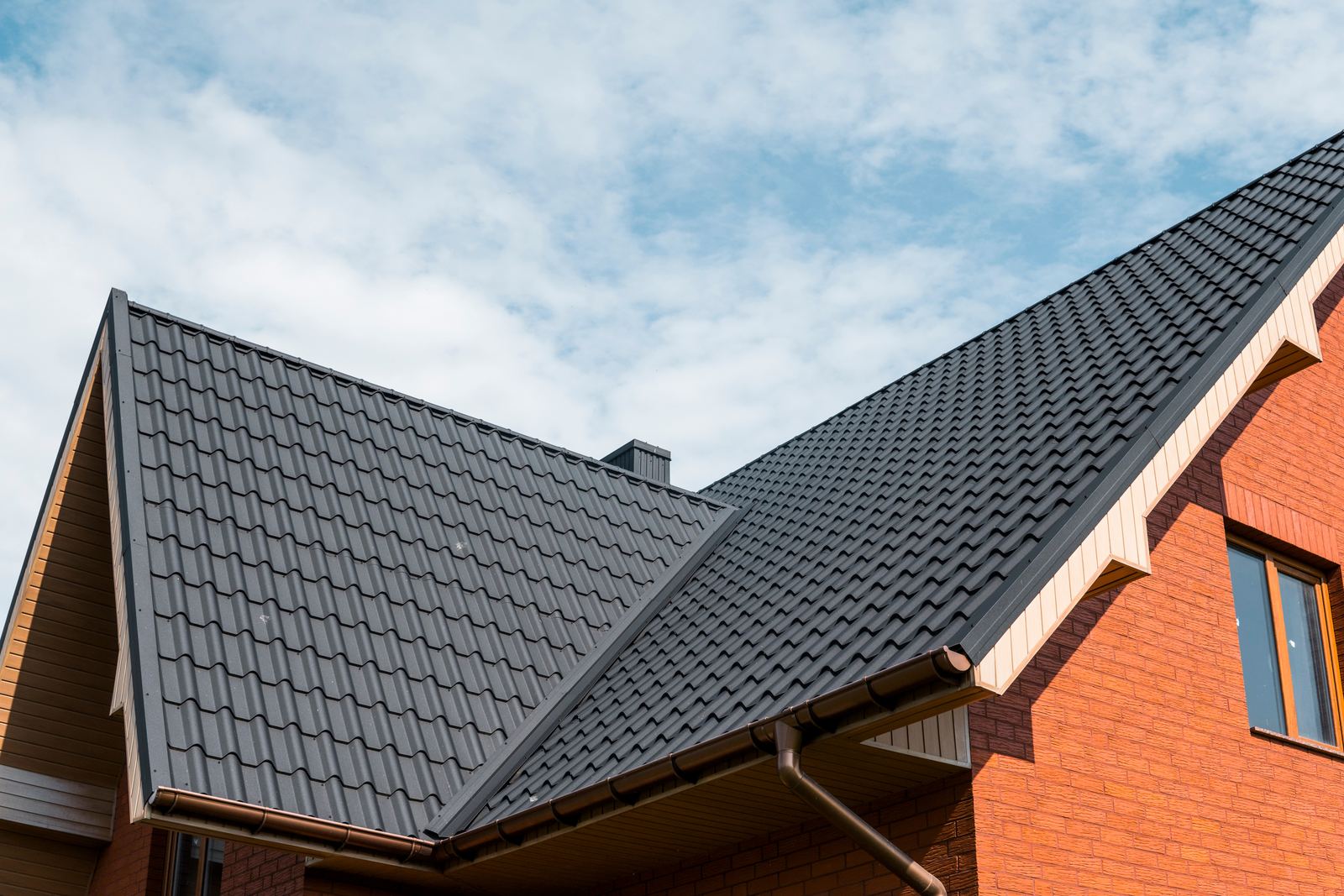
Metal roofing continues to gain ground for its longevity, energy efficiency, and clean look. Available as standing-seam panels or shingle profiles that mimic wood or tile, metal roofs commonly last 40–70 years, reflect solar heat to cut summer cooling costs, and resist wind, snow, and fire. The upfront cost is higher than asphalt, but low maintenance and long life deliver excellent value over time.
Slate Roofing: Classic Beauty, Unmatched Durability
Slate delivers a high-end aesthetic that suits Barrington Hills' luxury and historic properties — and no material outlasts it. Well-maintained slate can serve 75–100 years or more while resisting wind, snow, fire, and mold. The trade-offs are cost and weight: slate requires specialized installation, and many homes need structural reinforcement to carry it.
Cedar Shake: Timeless Appeal for Traditional Homes
Cedar shake offers a rustic, organic look that ages into a distinctive silver-gray patina. It performs well in cold climates and provides natural insulation, typically lasting 30–50 years. It's also the most maintenance-intensive option — regular cleaning prevents moss, mildew, and insect damage, and periodic retreatment keeps it weather-resistant.
How Climate Shapes the Choice
Winters demand materials that resist cracking and shed snow; summers bring heat and UV exposure that favor reflective, UV-stable surfaces. Metal and slate lead in these conditions, followed by well-installed architectural asphalt shingles and treated cedar. Snow guards, proper ventilation, and quality underlayment extend any roof's life in this climate.
Cost, Longevity, and Maintenance at a Glance
- Asphalt shingles — lowest cost; 15–30 years; minimal upkeep, faster wear in freeze-thaw climates
- Metal — higher upfront cost; 40–70 years; minimal maintenance and strong energy savings
- Slate — premium cost; 75–100+ years; minimal maintenance but expert installation required
- Cedar shake — moderate-to-high cost; 30–50 years; the most ongoing maintenance
The right choice balances budget, aesthetics, weather resistance, and how much upkeep you're willing to take on. Premium materials cost more initially but often save money over decades by avoiding frequent repairs and early replacement. Not sure whether your current roof has another decade left? Read when to upgrade your roofing.